

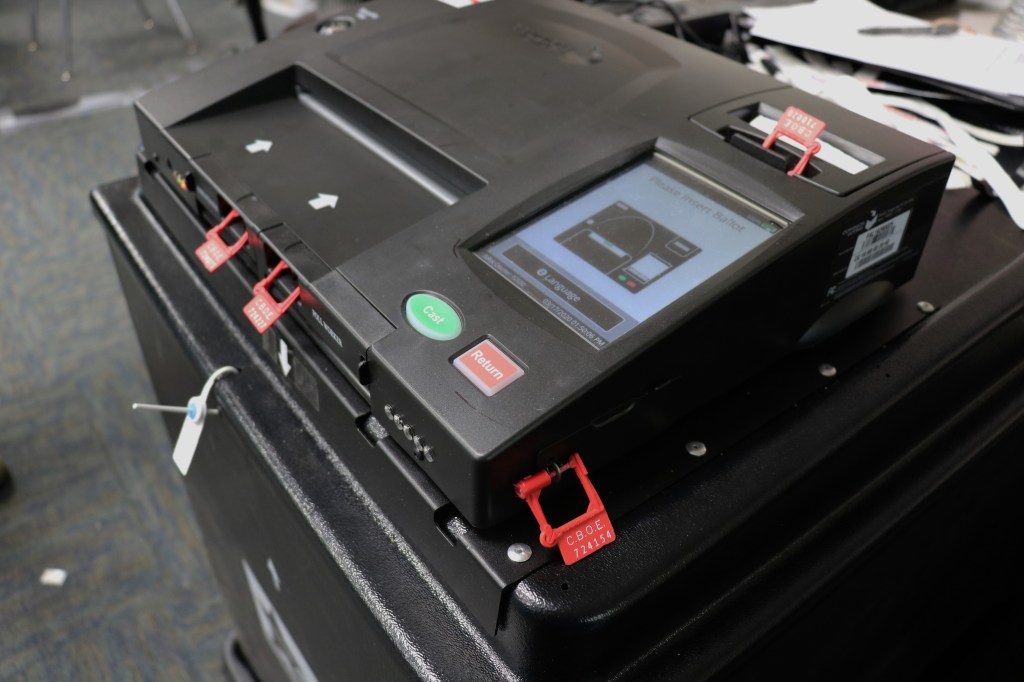
Carlos Lee, 48, was in and out of the Thurgood Marshall Library polling station because of the “easy to use and simple” new ballot machines in which Lee stated about his experience. The new ballot machines were up and running for the presidential primary early voting on March 2nd. The machines are now digitalized touch screen devices, like that of a giant iPad.
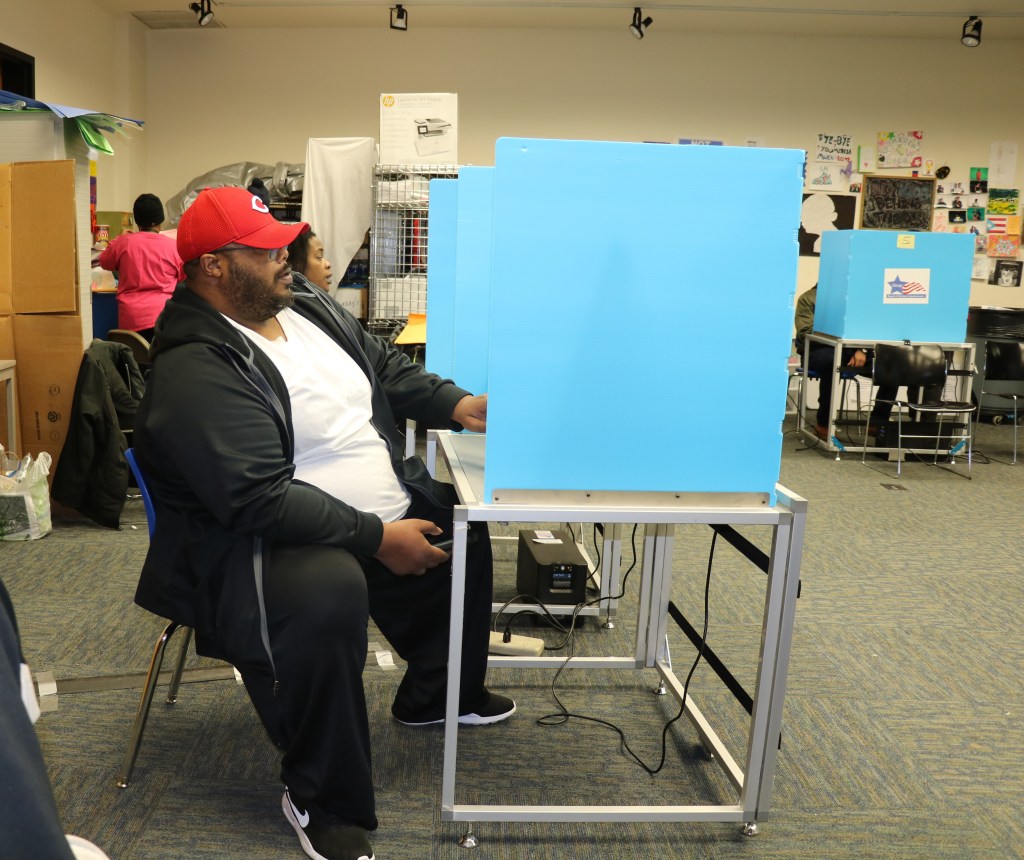
“These machines are easier to use than the old ones” stated Ronald Melton, 64, a Chicago resident who used the machines while taking advantage of early voting. The machines were designed with elderly and disabled voters in mind. The sleek new design allows voters to change the size and color of the font. The touch screen feature makes the machines easier for voters with disabilities to use.
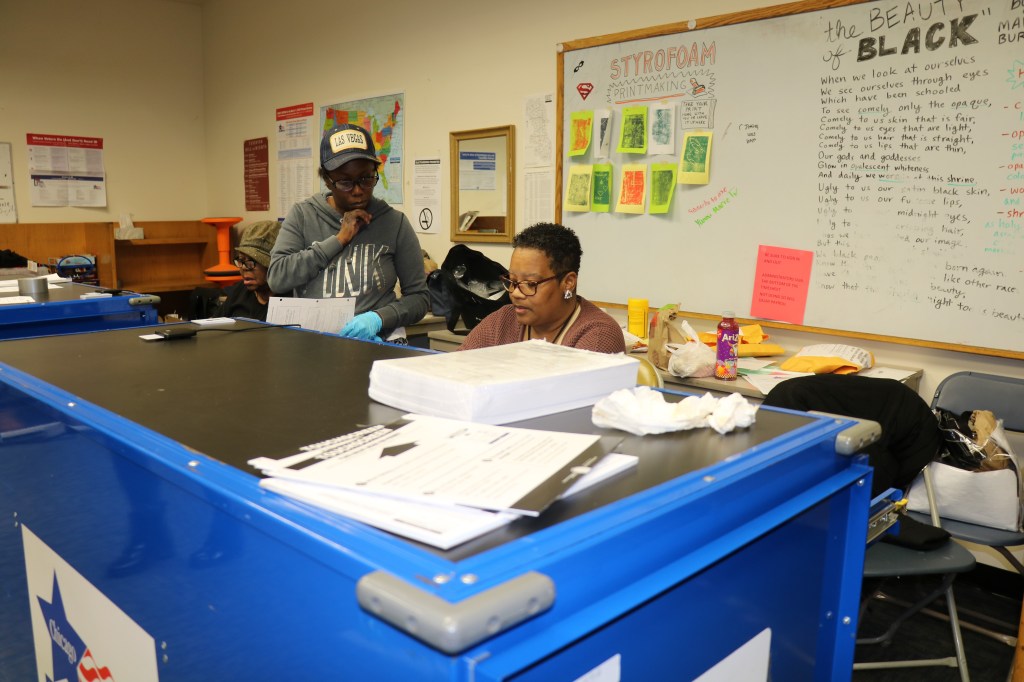
The city of Chicago invested 21 million on the devices and cook county spent a total of 33 million.
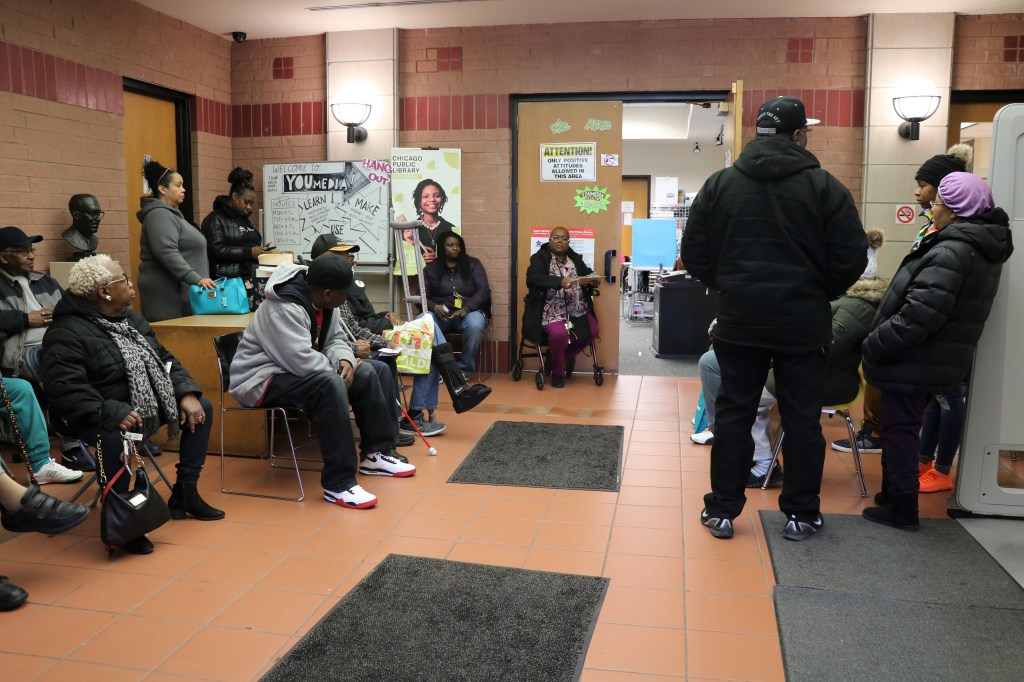
The previous ballot machines were over 15 years old. Election officials became concerned that the old machines were likely to begin malfunctioning as the parts to fix the machines began running low. Failure of the machines could possibly lead to a miscount of votes.
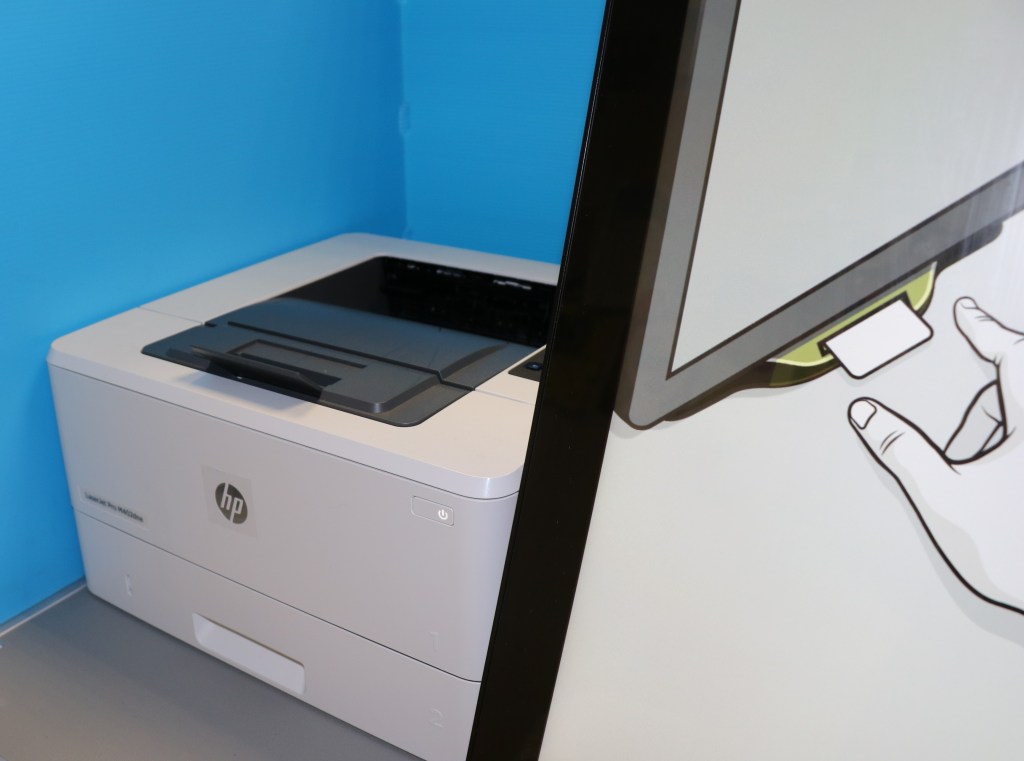
The new machines are also equipped with a small printer that will print out voter’s ballot selections. Voters then feed the printout into an electronic scanner ballot box that records the vote via a QR code on the printout. The scanner will not only count the vote but store a digital image of the ballot. The image is recorded in the Board of Election’s database for extra safely precautions, such as, in the case of a recount. According to Nina Anderson, 29, an Assistant Trainer at the Board of Elections and voter, “The image is basically another form of counting the vote besides the sim card and the transmitter to ensure the accuracy of the count.”
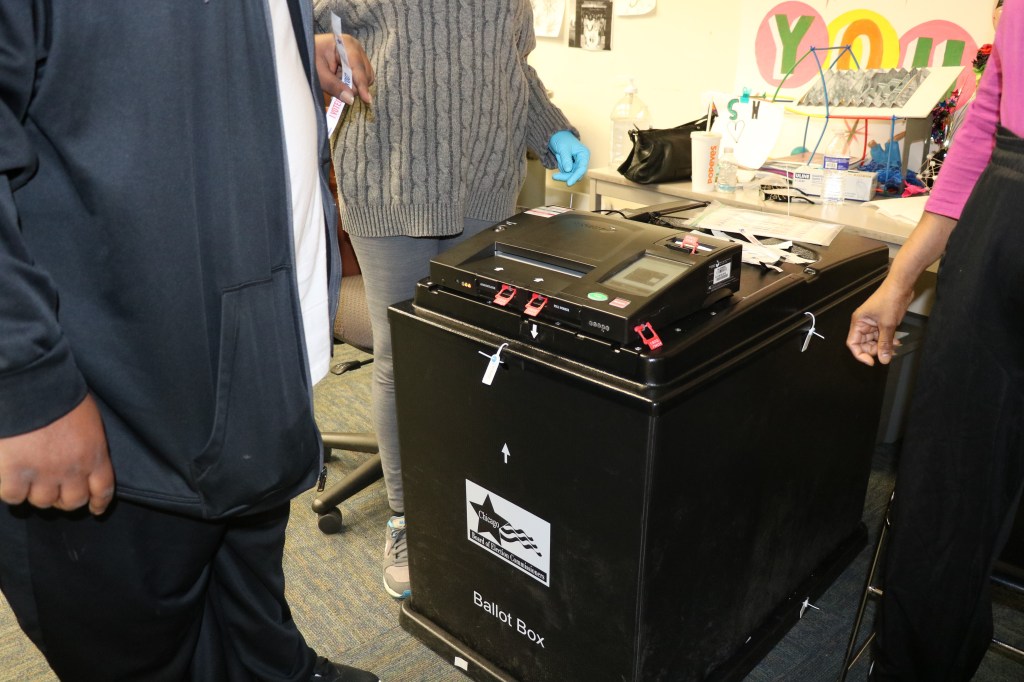
The new machines are a part of Illinois’s plans to increase all aspects related to election security. Election officials were determined to boost their overall security measures after Russian hackers were able to breach the voter database during the 2016 presidential election. There was no evidence of votes being tampered with and the election being compromised. However, the hackers were able to view voter’s private information such as name and address.
Leading up to the 2020 presidential primary, state and city officials have put in place secure cyber defenses. Officials have ensured voters their personal information and votes are safe and they are taking extreme precautions to stay ahead of any attempts to breach the states database in the future.
 Kinise Jordan
Leave a comment